On-Page vs. Technical SEO: What’s the Difference and Why It Matters
On-page vs technical SEO trips up more business owners than any other search marketing distinction. Both disciplines shape how well your site ranks, but they work on completely different parts of your website, and confusing them wastes time and budget.
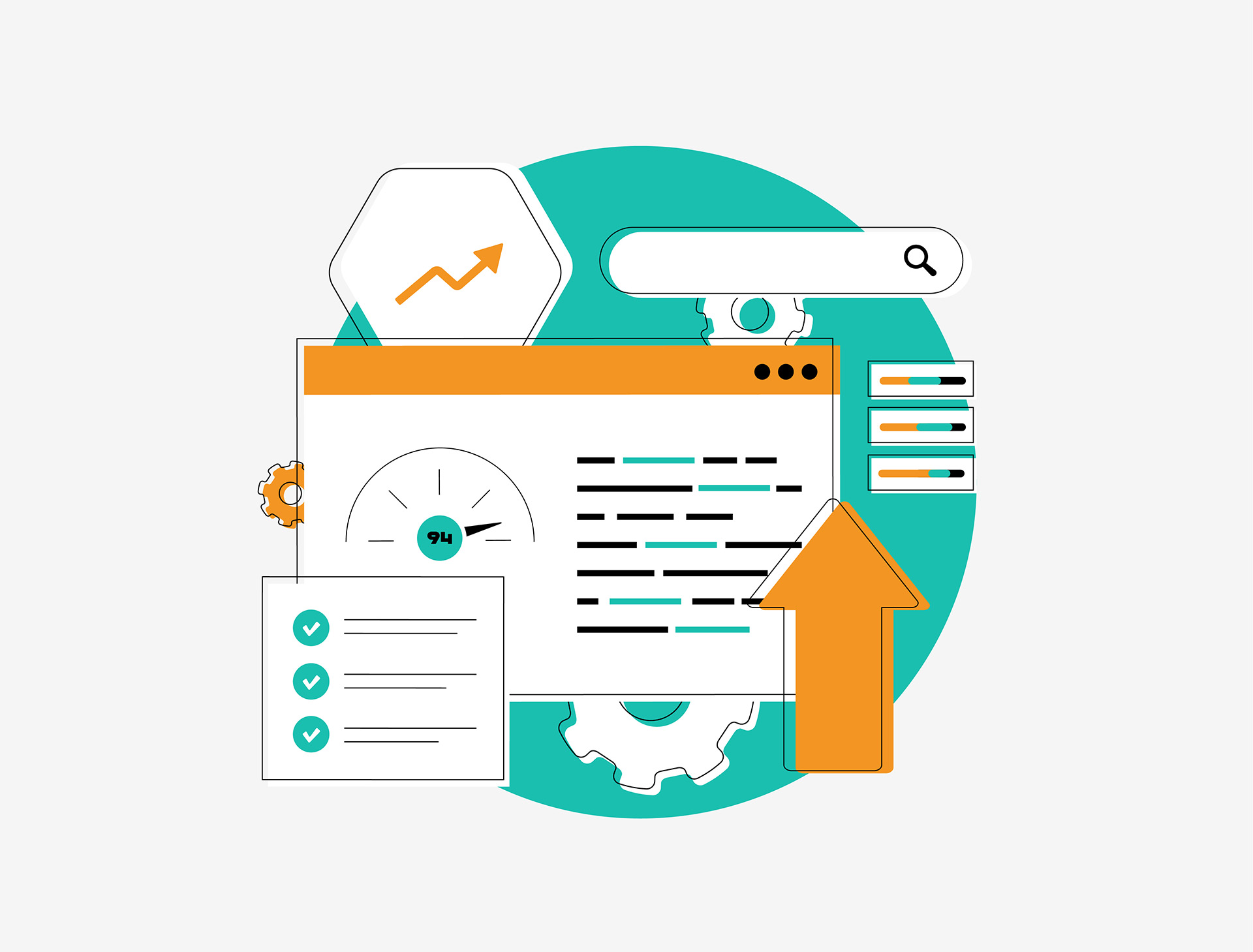
On-page SEO covers everything a visitor, and a search engine, reads and experiences on a specific page: your headlines, your body copy, your images, your internal links, your meta title and description. You control on-page SEO by writing better content, targeting the right keywords, and structuring pages so both readers and crawlers understand them.
Technical SEO covers the infrastructure underneath that content: how fast your pages load, whether Google can crawl and index them, whether your site works on mobile, whether your URLs redirect properly, and whether your code creates duplicate or broken pages. You fix technical SEO by adjusting code, server configuration, and site architecture, not by rewriting a paragraph.
On-Page vs Technical SEO: Why Your Rankings Need Both
Here’s the part that trips people up: strong on-page content on a technically broken site rarely ranks, and a technically flawless site with thin content rarely ranks either. Google’s own Search Central documentation confirms this directly. Google evaluates both content relevance and technical accessibility before it decides where a page belongs in results, and it lays out the mechanics in its own SEO Starter Guide.
Picture it this way. Technical SEO gets Google into your site and lets it understand what’s there. On-page SEO gives Google, and your visitor, a reason to care once they arrive. Skip either one and you cap your own results.
None of that matters if it doesn’t turn into calls, quote requests, or booked appointments. Rankings without conversions don’t grow your business, so every audit we run ties technical and on-page fixes back to what actually moves the needle: leads, not just position on a results page.
Common On-Page Problems
Thin or duplicate page titles, missing header structure, keyword-stuffed copy that talks to a crawler instead of a person, and pages with zero internal links pointing to them. Small business sites usually carry 5 to 10 of these issues per page once someone actually audits them.
Common Technical Problems
Slow page speed (anything over 2.5 seconds to load your largest visible element hurts you), missing or broken sitemaps, orphaned pages with no internal links, and duplicate content that URL parameters or HTTP/HTTPS mismatches create. WordPress sites rack up technical debt fast, especially after a few years of plugin updates and theme changes.
There’s also a newer layer of technical SEO worth watching: whether AI tools like ChatGPT, Perplexity, and Google’s AI Overviews can actually read and cite your site. That depends on many of the same signals, structured data, robots.txt rules, a clean sitemap, plus a few AI-specific ones. If you haven’t checked that side yet, our AI visibility audit covers all five in a 5-business-day turnaround for $250.
Pro tip: Run your homepage and your two highest-traffic service pages through Google’s PageSpeed Insights and check Search Console’s Coverage report before you touch a single word of copy. If Google can’t crawl or load your pages, better writing won’t move your rankings.
What This Looks Like at Clutch
When we take on an SEO engagement, we start with a full technical and on-page audit, not a copywriting sprint. That audit takes us 3 to 5 business days and covers crawlability, page speed, mobile usability, indexation status, on-page structure, and a competitive gap analysis against 3 to 5 direct competitors. Every audit we run treats on-page vs technical SEO as one connected diagnosis, not two separate services, because a fix on one side rarely holds without the other.
The Technical Pass
We run every site through Search Console and a crawler like Screaming Frog to catch broken links, duplicate titles, missing alt text, and indexation errors first. On a recent WordPress client audit, we found 47 pages returning soft 404s and a sitemap nobody had touched in 14 months. We fixed both inside the first week, before writing a single new page of content, because content built on a broken foundation doesn’t hold.
The On-Page Pass
Once the technical foundation holds, we rewrite or restructure the pages that matter most: title tags, header hierarchy, internal linking, and content depth against what’s actually ranking for that keyword today. We typically touch 8 to 12 priority pages in the first month of an engagement, then move into a steady monthly cadence after that.
We bake this two-part approach into every SEO engagement we run, and it’s also why we won’t quote a technical fix in isolation from the content around it. The two disciplines feed each other. If your site needs a rebuild rather than a repair, that conversation usually starts on our web design and development side instead, since a new site gives us a clean technical foundation to build on from day one.
How to Tell Which One Your Site Needs First
Most sites need both eventually, but if you’re prioritizing, start with a technical check. Pull Search Console’s Coverage and Core Web Vitals reports to see whether Google can actually access and render your pages. If those come back clean, move to on-page: pull your top 10 landing pages and check whether title tags, headers, and content depth genuinely match search intent for the terms you want to rank for.
If your site runs on WordPress and you’re not sure where to start, that ongoing monitoring is exactly what our WordPress website management and WordPress website maintenance plans track on a recurring basis, so we catch technical issues before they compound into a bigger rebuild.
Not sure whether your biggest opportunity is technical, on-page, or something further upstream, like where visitors actually drop off before they convert? That’s exactly what our Website Strategy diagnostic maps out, starting at $1,500, before you spend a dollar fixing either one.
The Bottom Line
On-page vs technical SEO isn’t a choice you make once. It’s two ongoing disciplines that work together, and neglecting either one caps the other’s results. Fix the technical foundation first, then invest in content and on-page structure, and keep monitoring both as your site grows.
Want a straight answer on where your site stands, and what it would take to turn that into leads? Reach out and we’ll walk you through what an audit would actually find.